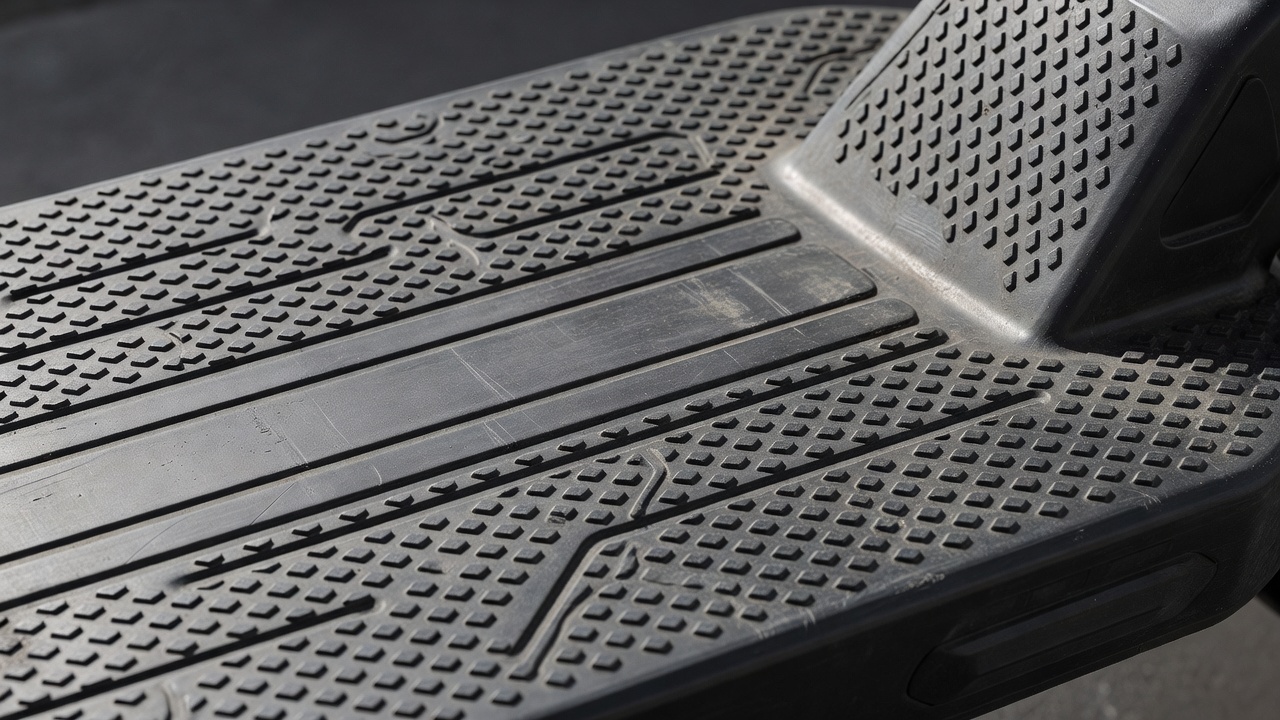
Models: Which Scooter Suits Your Streets?
Choosing a commuter scooter gets much simpler once you stop hunting for a mythical “best overall” winner and instead group machines by the bottlenecks of your route. A rider threading two underground interchanges with a 4 km tail-end roll needs an entirely different frame from someone covering 19 km of cracked suburban arterial cycleways with ground-floor bike storage at work.
Below, we divide reputable, safety-certified city models into four street-defined tiers—judged on real-scale weight, deck ergonomics for winter boots, sustained hill torque at 50% battery, and spare-part availability two years down the road.
Four Street-Defined Commuter Archetypes
NIU KQi Air & Unagi Model One Voyager
Carbon-fibre or machined magnesium frames keep single-arm carries civilised. The NIU KQi Air (11.9 kg) pairs a full-size 9.5-inch tubeless pneumatic tyre with a wide 54 cm handlebar, solving the twitchy steering that plagued older ultralights. Best for smooth-to-moderate tarmac where stairs outnumber potholes.
NIU KQi 300P, Xiaomi Electric Scooter 4 Pro (2nd Gen) & Pure Advance+
The sweet spot for single-mode urban journeys between 8 and 16 km. Manageable up five front steps into a Victorian terraced hallway, yet planted enough at 25 km/h to shrug off bus-lane ruts. Look for 450–486 Wh packs and 10-inch tubeless rubber.
Segway Ninebot Max G2 & Apollo City
Built like rental-fleet cousins with hydraulic front forks, rear spring damping, integrated turn signals and 550+ Wh batteries. Exceptional composure over cobbles, tree-root heaves and bridge expansion joints, but treat them like small bicycles: roll them into lifts and ground-level sheds rather than carrying them upstairs.
Pure Advance Flex & Brompton-Sized Micro-Folders
Multi-hinge frames fold footplates, handlebar tips and stems inward to create a boxy parcel roughly 62 × 30 × 57 cm—small enough for a supermarket trolley bay, small hatchback boot or narrow studio wardrobe.